
Demon Slayer stands out among modern manga for its emotional depth, tight pacing, and clear sense of direction—qualities that naturally lead many readers to ask who created Demon Slayer and what kind of creative vision shaped Kimetsu no Yaiba from start to finish. Rather than feeling endless or overstretched, the story unfolds with purpose, loss, and resolution carefully woven into every arc.
For readers following the manga on Mangakakalot, understanding who created Demon Slayer adds valuable context to the experience. Knowing the creator’s mindset helps explain why the series feels so focused, emotionally heavy, and memorable compared to many other shōnen manga.
Who Created Demon Slayer?
Koyoharu Gotouge is the creator of Demon Slayer, the manga series officially titled Kimetsu no Yaiba. Gotouge is both the author and illustrator, meaning every part of the story—from character designs to emotional arcs—originated from a single creative vision.
When people search “who created Demon Slayer”, they are usually looking for more than just a name. Readers want to understand who shaped the story, why it feels so emotionally heavy, and how a relatively short manga managed to leave such a strong impact. This curiosity often extends to deeper questions about the world of the series itself, including where does Demon Slayer take place and how its historical setting influences the tone and tragedy of the story.
Unlike many long-running manga franchises, Demon Slayer was not built by a committee of creators or extended across decades. It was a focused, tightly controlled project guided almost entirely by Gotouge’s personal storytelling instincts.
The Creator of Kimetsu no Yaiba – Background and Early Career
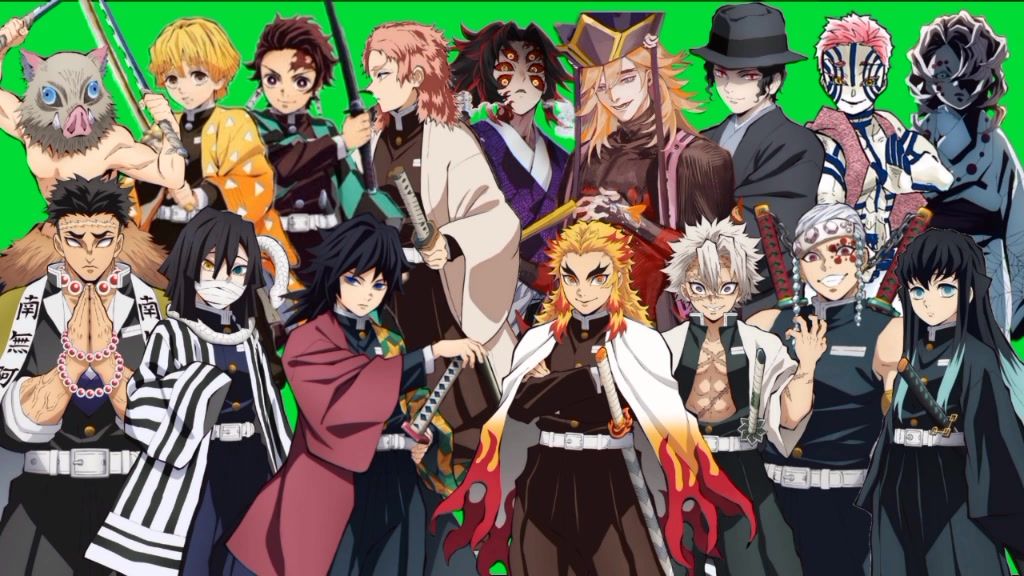
Before Kimetsu no Yaiba became a cultural phenomenon, Koyoharu Gotouge was largely unknown outside of manga editorial circles. Gotouge debuted through short works published in Weekly Shōnen Jump, where editors quickly noticed a distinct narrative style: simple visuals paired with emotionally intense storytelling.
Early in their career, Gotouge experimented with darker themes than were typical for mainstream shōnen manga. Even in short one-shots, several recurring traits were already visible:
- Tragic character backstories
- Sudden, irreversible consequences
- Moral ambiguity rather than clear good-versus-evil binaries
These elements would later become the emotional backbone of Demon Slayer. Instead of power escalation and endless arcs, Gotouge showed an interest in finite stories—stories that move toward an ending rather than constantly expanding.
This mindset strongly influenced how Kimetsu no Yaiba was structured from the very beginning.
What Makes Demon Slayer’s Creator Stand Out Among Manga Artists
What truly sets Koyoharu Gotouge apart from many other manga creators is restraint.
In an industry where popular series are often extended far beyond their natural lifespan, Demon Slayer stands out for knowing exactly when to stop. The manga tells a complete story with a clear beginning, middle, and end—something increasingly rare in modern shōnen publishing.
Key traits that define Gotouge’s creative identity include:
Emotional Consequences Over Power Scaling
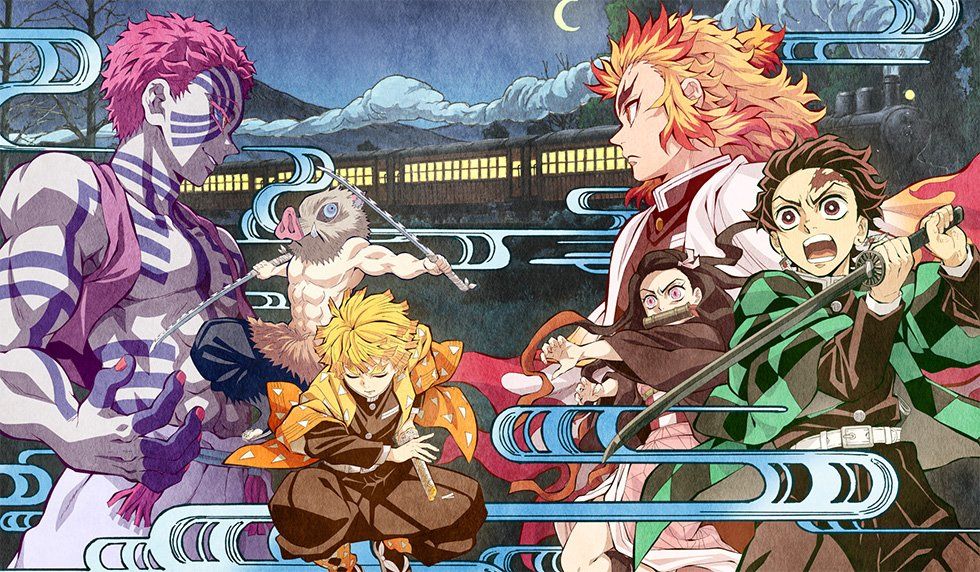
Instead of focusing solely on stronger abilities or longer battles, Gotouge emphasizes emotional cost. Victory almost always comes with loss. Even antagonists are given moments of reflection, regret, or humanity.
Simple Art, Heavy Impact
Gotouge’s art style is not overly detailed compared to some contemporaries, but it excels at expressive faces and body language. Pain, fear, and grief are conveyed clearly without excessive visual clutter.
Compassion as a Core Theme
Perhaps the most unique aspect of Demon Slayer is its refusal to dehumanize its villains completely. This compassionate lens reflects the creator’s worldview and gives the manga its distinct emotional tone.
These qualities explain why readers often feel that Demon Slayer is less about action and more about endurance, grief, and kindness under extreme circumstances.
Why the Creator of Demon Slayer Keeps a Low Public Profile
One of the most common follow-up questions after “who created Demon Slayer” is why the creator remains so private.
Unlike many successful mangaka, Koyoharu Gotouge has deliberately avoided the spotlight. Public appearances are rare, interviews are limited, and even basic personal details are kept vague. This is not accidental.
There are several reasons this low-profile approach resonates with the series itself:
- It keeps the focus on the story rather than the author
- It aligns with Japanese industry norms around privacy
- It allows the work to stand on its own emotional merit
In a way, this mirrors the philosophy behind Demon Slayer. The story does not glorify fame, power, or recognition. Characters fight, suffer, and sacrifice without expecting rewards. The creator’s public absence reinforces that same value system.
For many readers, this mystery only deepens curiosity—making the question “who created Demon Slayer” feel even more compelling.
The Role of the Creator in Demon Slayer’s Manga Success
While the anime adaptation brought global visibility, the foundation of Demon Slayer’s success lies in the manga itself—and that foundation was entirely shaped by its creator.
Several creative decisions made by Gotouge directly contributed to the manga’s impact:
Tight Story Structure
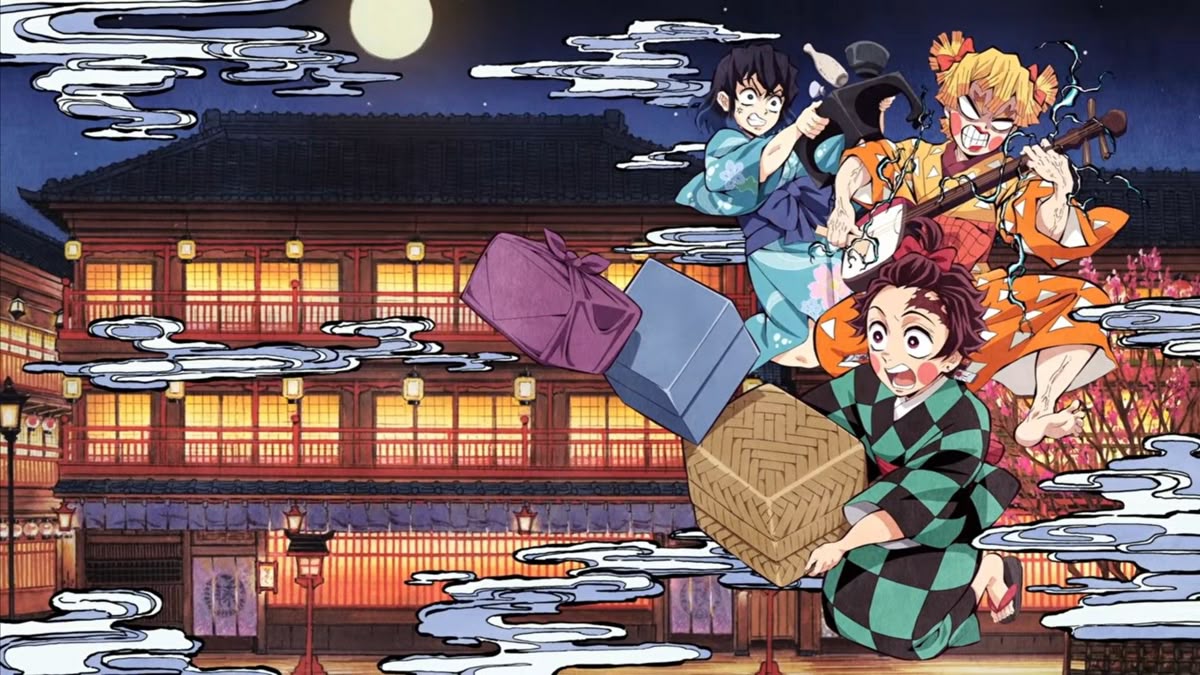
Kimetsu no Yaiba avoids filler arcs and unnecessary detours. Each chapter advances the plot or deepens character relationships, keeping readers emotionally invested.
Balanced Cast Development
Rather than focusing exclusively on a single protagonist, Gotouge develops a wide supporting cast. Even secondary characters feel meaningful, which increases emotional stakes when danger arises.
A Willingness to End the Story
Perhaps the most important decision was choosing to end the manga decisively. Instead of prolonging the series, Gotouge concluded the story while emotional tension was still high.
This choice preserved the narrative’s integrity and prevented reader fatigue—something that often weakens long-running manga franchises.
Why Demon Slayer’s Creator Left Such a Lasting Impression
Understanding who created Demon Slayer helps explain why the series continues to resonate even after its conclusion. The answer is not just a name, but a creative philosophy.
Koyoharu Gotouge created Kimetsu no Yaiba with a clear emotional endpoint in mind. Every character arc, every loss, and every moment of compassion builds toward that destination. The result is a manga that feels complete rather than endlessly serialized.
In the world of modern manga, where popularity often leads to overextension, Demon Slayer stands as an example of storytelling discipline. That discipline—rooted in the creator’s personal approach—is ultimately why the question “who created Demon Slayer” continues to attract so much attention.
The story behind the creator is inseparable from the story on the page. And that connection is exactly what makes Kimetsu no Yaiba feel so enduring to readers around the world.
FAQs
- Is Demon Slayer based on a novel or original work?
Demon Slayer is an original manga, not adapted from a novel or earlier story.
- What is the official name of the Demon Slayer manga?
The manga’s official title is Kimetsu no Yaiba.
- Did the creator of Demon Slayer work alone?
Yes. Koyoharu Gotouge handled both the story and artwork, with editorial support from the publisher.
So, who created Demon Slayer? The answer goes beyond simply naming Koyoharu Gotouge. As the sole author and illustrator of Kimetsu no Yaiba, Gotouge shaped a complete, emotionally driven manga defined by restraint, compassion, and narrative discipline. That clear creative vision—knowing what story to tell and when to end it—is exactly why Demon Slayer remains one of the most impactful manga of its generation and why the question “who created Demon Slayer” continues to resonate with readers worldwide.

Jessica is a content editor at MangaKakalot, specializing in reviewing and refining information across Manga, Manhwa, and Manhua. Her writing prioritizes accuracy, timely updates, and helping readers quickly recognize trending topics within the comic community.