
In the manga Demon Slayer: Kimetsu no Yaiba, death is not a twist—it is a consequence. Readers searching who all dies in Demon Slayer are not just looking for spoilers, but for clarity about which characters truly fall and why their sacrifices shape the story’s ending. Unlike many shonen series, Demon Slayer treats death as permanent, making every loss carry lasting emotional weight.
As documented across the manga chapters available on Mangakakalot, several key characters sacrifice their lives during the final arcs, including Kyojuro Rengoku, Shinobu Kocho, Muichiro Tokito, Genya Shinazugawa, Mitsuri Kanroji, Gyomei Himejima, and multiple other Demon Slayers who fall in the battle against Muzan. These deaths are not random—they are the foundation of Demon Slayer’s message about legacy, choice, and the true cost of peace.
What Does “Who All Dies in Demon Slayer” Mean in the Manga?
When readers ask “who all dies in Demon Slayer,” they are rarely looking for spoilers alone. In the context of the manga, the question usually reflects three deeper concerns:
- Which characters truly die without revival
- Which deaths permanently change the direction of the story
- How sacrifice functions as a core narrative theme
Understanding these deaths also requires context about the world itself—where does demon slayer take place and why its historical, demon-infested setting makes survival so fragile in the first place.
Demon Slayer’s manga does not rely on fake-out deaths or miraculous reversals. When a character dies, their absence remains meaningful all the way to the final chapter, shaping both the emotional tone and the outcome of the story.
This permanence is what gives the series its emotional credibility. The question is not simply who dies, but what their loss represents within the world Demon Slayer is set in—and why that loss can never truly be undone.
Who All Dies in Demon Slayer Manga? Full Character List
While Demon Slayer does not eliminate characters recklessly, it is unapologetic when it comes to consequences. As documented across the manga chapters available on Mangakakalot, the deaths in the story fall into three major groups, each reinforcing the manga’s themes of sacrifice, legacy, and the true cost of peace.
Fallen Hashira
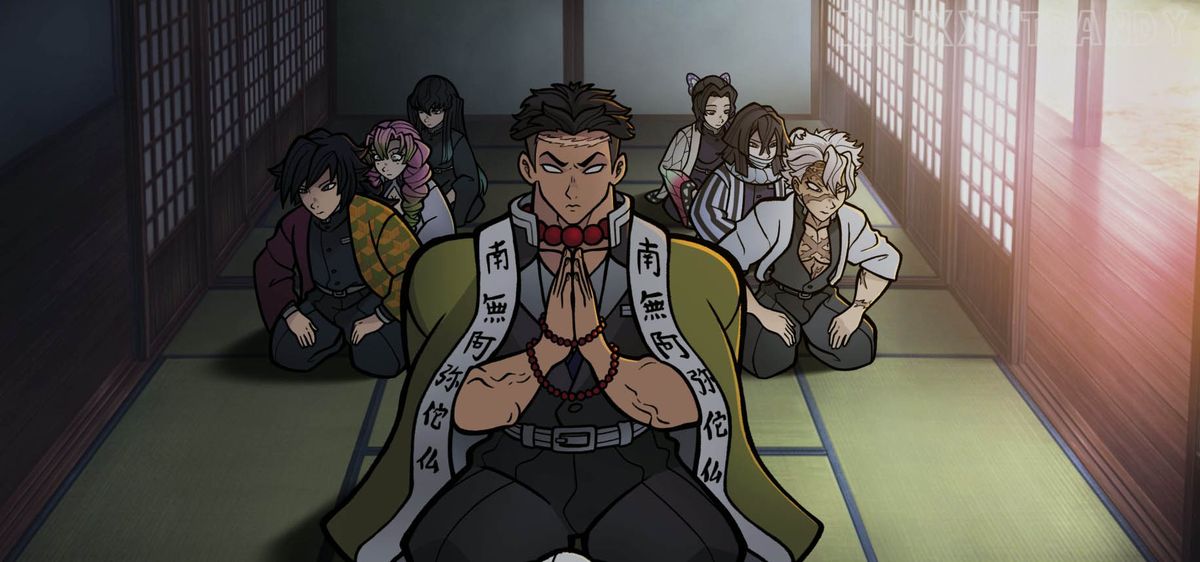
Several Hashira—the strongest warriors of the Demon Slayer Corps—do not survive the final arcs. These deaths are among the most emotionally impactful moments in the manga.
Hashira who die in the manga include:
- Kyojuro Rengoku – Flame Hashira
- Shinobu Kocho – Insect Hashira
- Muichiro Tokito – Mist Hashira
- Mitsuri Kanroji – Love Hashira
- Obanai Iguro – Serpent Hashira
- Gyomei Himejima – Stone Hashira
Rather than weakening the story, these losses emphasize a core truth of Demon Slayer: even the strongest humans are still mortal.
Supporting Demon Slayers
Beyond the Hashira, the manga also depicts the deaths of supporting Demon Slayers whose sacrifices are quieter but equally important.
Notable supporting losses include:
- Genya Shinazugawa
Multiple unnamed Demon Slayer Corps members during the final battle
These deaths often occur without ceremony, reinforcing that the war against demons is not fought by heroes alone. Many lives are lost without recognition, and that collective sacrifice is what ultimately makes victory possible.
Upper Rank Demons and Antagonists
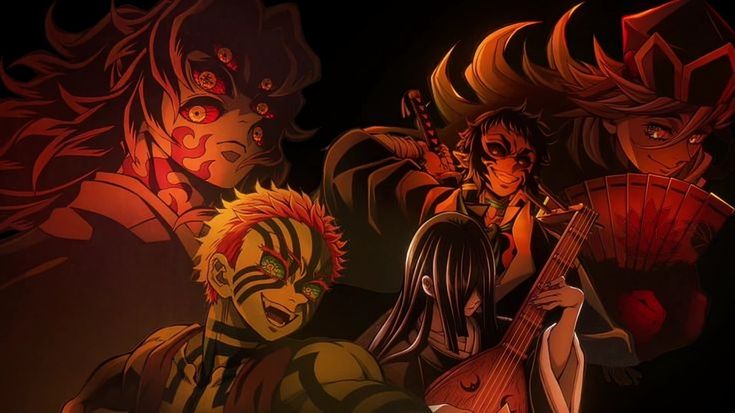
Most major antagonists in Demon Slayer are ultimately destroyed, including the Upper Rank demons and their leader.
Major antagonist deaths include:
- Akaza – Upper Rank Three
- Doma – Upper Rank Two
- Kokushibo – Upper Rank One
- Muzan Kibutsuji – Progenitor of all demons
Unlike typical shonen villains, their deaths are not framed purely as punishment. The manga often explores:
- Their human pasts
- The circumstances that led to their corruption
- The tragedy of what they might have been
As a result, death in Demon Slayer is sometimes portrayed as release rather than retribution, adding emotional depth to the story’s conclusion.
Deaths During the Final Battle With Muzan
The final confrontation with Muzan Kibutsuji represents the highest concentration of death in the entire manga.
Unlike earlier arcs, the final battle offers:
- No pauses for recovery
- No safe positions
- No guarantee that any character will survive until sunrise
Throughout this battle:
- Hashira fall one by one
- Survivors continue fighting with broken bodies
- Every extra moment of Muzan’s existence costs lives
What makes this arc especially powerful is the absence of emotional relief. Victory does not feel triumphant—it feels earned.
When Muzan is finally defeated, the prevailing emotion is not celebration, but exhaustion and quiet mourning.
Why Death Is Central to Demon Slayer’s Core Message
Death is not a background element in Demon Slayer: Kimetsu no Yaiba—it is one of the story’s central pillars. The manga repeatedly poses a simple but powerful question: if you know you may die, would you still choose to fight? Demon Slayer’s answer is clear. Heroism is not defined by survival, but by the decision to stand up even when the outcome is uncertain.
Rather than focusing on individual victories, Demon Slayer emphasizes legacy. Few characters die without leaving something behind, whether it is a technique, a belief, or a chance for the next generation to move forward. Progress in the story is never a solo achievement—it is a relay, built on sacrifice, where each generation endures hardship so the next does not have to.
Most importantly, no character is completely protected. The manga avoids absolute plot armor, even for its most beloved figures. As a result, every battle carries real danger, every victory feels fragile, and every loss is permanent. That emotional risk is what gives Demon Slayer its weight and keeps readers fully invested until the final chapter.
How Death Separates Demon Slayer From Typical Shonen Manga
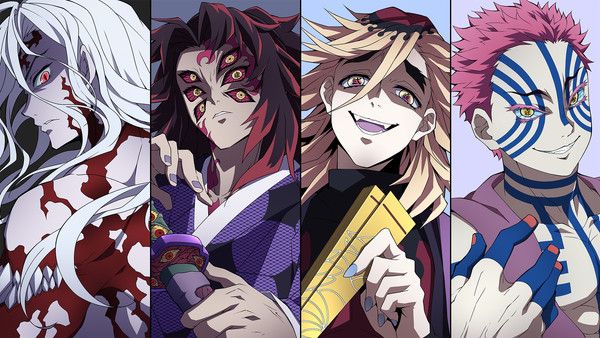
Compared to many long-running shonen series, Demon Slayer approaches death in a noticeably different way.
1. Death Is Treated as Consequence, Not Spectacle
The manga does not exaggerate deaths for shock value. When characters die, it happens quickly, sometimes quietly, emphasizing realism over drama.
2. There Is No Mass Resurrection
Once characters are gone, they stay gone. Demon Slayer respects the weight of death rather than undoing it for narrative convenience.
3. The Ending Honors Loss, Not Just Victory
Even in its final chapters, Demon Slayer acknowledges what was lost. Peace exists—but it was purchased at a cost that cannot be ignored.
This restraint is what gives the ending its emotional maturity.
FAQs
- Do any main characters die in Demon Slayer?
Some important characters die, but the core protagonists survive. However, they do so at a great physical and emotional cost.
- Which arc has the most deaths in Demon Slayer?
The final battle arc against Muzan features the highest number of deaths and sacrifices in the entire manga.
- Are the deaths in Demon Slayer permanent?
Yes. The manga does not rely on resurrection or reversal. When characters die, their deaths are final.
- Why are deaths so important in Demon Slayer’s story?
Deaths reinforce the manga’s core themes of sacrifice, legacy, and the human cost of peace.
So, who all dies in Demon Slayer? In the manga, death is a permanent and meaningful part of the story, affecting both major characters and the world they fight to protect. These losses are not used for shock, but to show the real cost of victory.
By treating death as irreversible, Demon Slayer reinforces its core themes of sacrifice, legacy, and choice. The result is a finale that feels earned, emotionally grounded, and memorable long after the story ends.

Jessica is a content editor at MangaKakalot, specializing in reviewing and refining information across Manga, Manhwa, and Manhua. Her writing prioritizes accuracy, timely updates, and helping readers quickly recognize trending topics within the comic community.