
Released in December 2003, Death Note was more than just another new title in Weekly Shonen Jump. For many readers, asking when did Death Note come out leads to a deeper discussion about why its arrival came at the perfect moment to reshape Shonen manga. By challenging traditional heroes, embracing moral ambiguity, and focusing on psychological conflict, the series redefined reader expectations—an influence that remains clear today as fans continue to read Death Note on Mangakakalot and other manga platforms.
When Did Death Note Come Out? The Official Manga Release Date
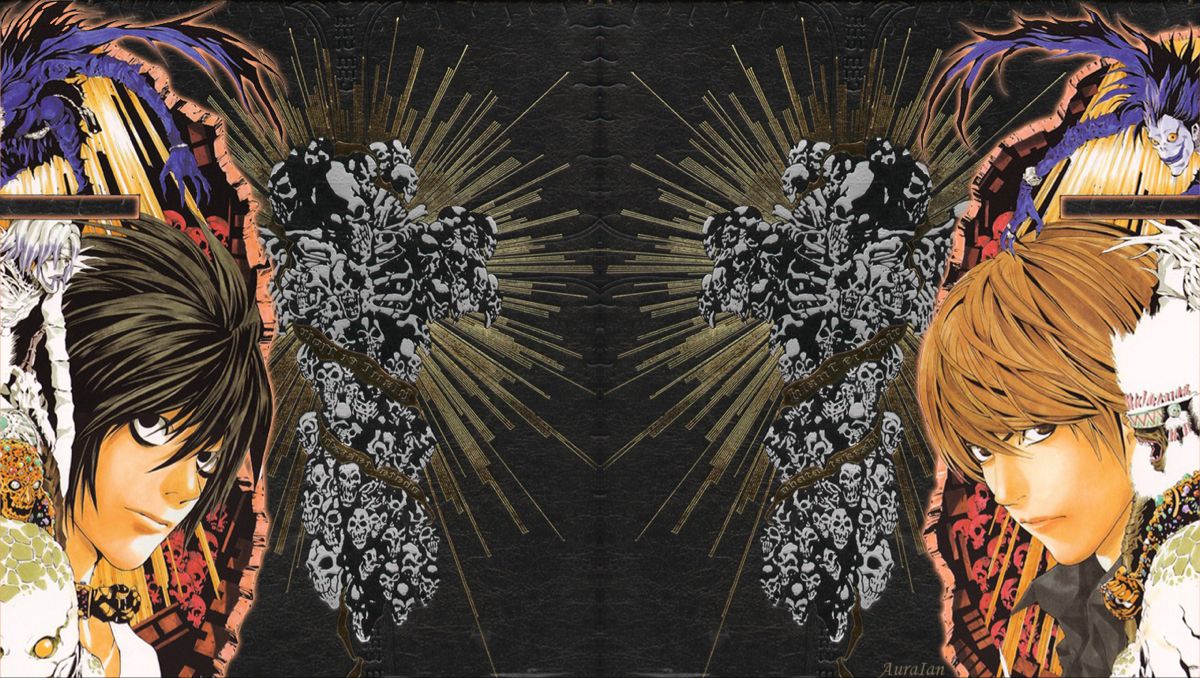
Death Note officially debuted as a serialized manga in December 2003, when its first chapter appeared in Weekly Shonen Jump. It was written by Tsugumi Ohba and illustrated by Takeshi Obata, a creative pairing that would soon become legendary. For readers asking when did Death Note come out, this date marks the beginning of one of the most influential manga series of the modern era.
At first glance, the release date might not seem especially remarkable. But in the context of the early 2000s manga scene, December 2003 marked a quiet transition between eras—one that allowed darker, more psychologically driven stories to gain traction and eventually lead readers to ask deeper questions later on, including moments that sparked searches like does L die in death note.
At the time, Shonen Jump was still dominated by long-running, action-heavy series with a very clear identity: fast pacing, physical battles, visible power growth, and traditional heroes.
Death Note arrived without fitting neatly into any of those expectations—and that contrast is exactly what made its debut so impactful.
What Was the Manga Industry Like When Death Note Came Out?
To understand why timing mattered so much, it helps to revisit the manga ecosystem of the early 2000s—an era when Shonen conventions were rarely challenged.
During this period:
- Shonen manga emphasized physical conflict over psychological conflict
- Protagonists usually grew stronger through training arcs
- Villains were external threats, not philosophical mirrors
- Stories were often linear, with clearly defined morality
Readers were used to cheering for heroes who punched harder, screamed louder, and unlocked new abilities. Then Death Note appeared with almost no traditional combat, a protagonist who could also be the villain, and conflicts driven by logic, manipulation, and ethics. This tonal disruption explains why conversations around when did Death Note come out are often inseparable from discussions about industry change.
Because the market wasn’t yet saturated with psychological thrillers, Death Note didn’t need to compete with similar works—it stood out instantly, forcing readers and editors alike to rethink what “Shonen” could mean.
Why Death Note’s Release Timing Changed Shonen Manga
The timing of Death Note’s release amplified its influence in several key ways.
1. Readers Were Ready for Something Smarter

By the early 2000s, many manga readers had grown up with Shonen series. They were older, more experienced, and more open to morally complex stories.
Death Note met that audience at exactly the right moment.
2. Shonen Jump Needed Evolution
Magazines evolve based on reader feedback. When Death Note gained popularity, it proved that:
- Readers would follow dialogue-heavy chapters
- Intellectual tension could replace physical fights
- Anti-heroes could lead a story
That validation opened doors for future experimental series.
3. Moral Ambiguity Became Acceptable
Before Death Note, Shonen heroes were almost always “good.”
Light Yagami blurred that line so thoroughly that readers were forced to ask:
- Is justice absolute?
- Can evil be justified?
- Who decides right and wrong?
These questions weren’t common in mainstream Shonen manga before 2003.
Because Death Note succeeded at that exact time, editors became more willing to greenlight stories that challenged traditional hero narratives.
How Death Note Shifted Storytelling Trends in Manga
The storytelling influence of Death Note extended far beyond its own chapters.
Psychological Battles Over Physical Ones
Instead of punches and explosions, Death Note relied on:
- Mental traps
- Long-term planning
- Strategic sacrifices
- Chess-like confrontations
This approach proved that tension doesn’t need action—it needs stakes and intelligence.
Dialogue Became a Weapon
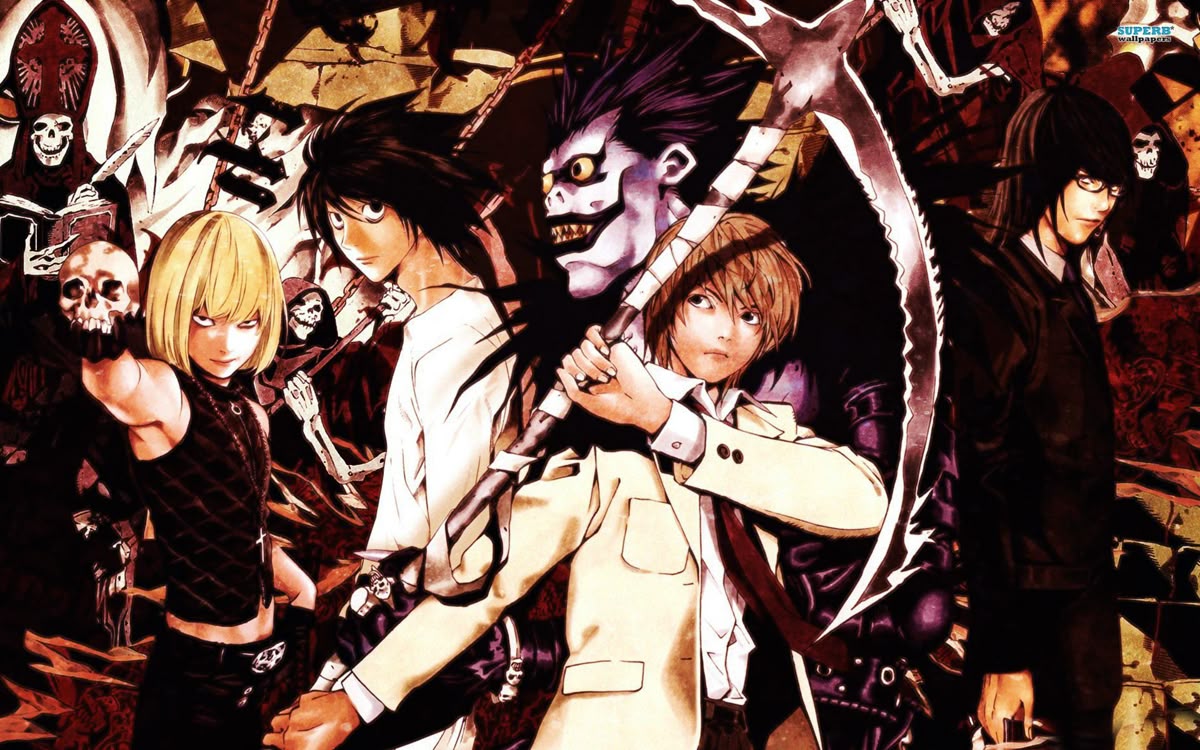
Entire chapters could revolve around conversation, inner thoughts, or silent observation.
This taught creators that:
- Stillness can be dramatic
- Words can be dangerous
- Thinking can be as exciting as fighting
Protagonists Didn’t Have to Be Likeable
Light Yagami is charismatic, intelligent, and deeply unsettling.
His popularity showed that readers were willing to follow:
- Flawed characters
- Morally compromised leads
- Stories without clear heroes
After Death Note, manga protagonists became more diverse, complex, and psychologically layered.
Why Death Note Still Feels Relevant Today
Even years after its release, Death Note still resonates because its core themes never aged out. Questions about who controls justice, how much power is too much, and whether good intentions can justify extreme actions feel even more urgent in a modern world shaped by surveillance, algorithms, and public judgment.
The series also feels current because it focuses on psychological conflict rather than physical spectacle. Battles are fought through logic, manipulation, and perception—elements that remain timeless. Readers don’t need evolving technology or flashy trends to stay engaged; the tension comes from human decision-making, ego, and fear.
Finally, Death Note changed what readers expect from manga storytelling. Its morally gray characters and intellectual pacing helped normalize complex narratives in mainstream comics. Because those expectations still shape modern manga, Death Note doesn’t feel like an old classic—it feels like the foundation many stories are still building on.
FAQs
- Is Death Note considered a Shonen manga?
Yes. Despite its dark themes and psychological focus, Death Note is officially classified as a Shonen manga.
- Why is Death Note still popular today?
Because its themes—justice, power, and moral responsibility—remain relevant, and its psychological storytelling still feels modern.
- Did Death Note change manga storytelling?
Yes. It helped popularize intellectual battles, morally gray protagonists, and dialogue-driven tension in mainstream manga.
- Is Death Note still worth reading now?
Absolutely. Its tight pacing, complete story, and timeless themes make it just as compelling for new readers today.
Death Note came out in December 2003, but its impact went far beyond its release date. Arriving at a time when Shonen manga was ready to evolve, the series proved that psychological tension, moral ambiguity, and intellectual storytelling could thrive in the mainstream. Because of its perfect timing, Death Note didn’t just succeed—it helped change the direction of manga history and remains relevant to this day.

Jessica is a content editor at MangaKakalot, specializing in reviewing and refining information across Manga, Manhwa, and Manhua. Her writing prioritizes accuracy, timely updates, and helping readers quickly recognize trending topics within the comic community.