
What Is Josei Genre and why does it resonate so strongly with adult readers? Josei is a manga genre aimed at mature audiences, focusing on realistic emotions, complex relationships, and everyday life experiences rather than idealized romance. With emotionally honest storytelling and relatable characters, josei offers deeply powerful narratives that many readers discover and explore on Mangakakalot.
What Is Josei Genre?
Josei is a Japanese manga genre created specifically for adult women, typically readers in their late teens and older. The term josei literally means “woman” in Japanese, and the genre focuses on stories that reflect realistic adult life, emotions, and relationships rather than idealized fantasy.
Unlike shoujo manga, which often centers on youthful romance and emotional innocence, josei explores mature themes such as career struggles, marriage, long-term relationships, personal identity, loneliness, and emotional growth. Characters in josei stories behave like real adults, facing complex choices and imperfect outcomes.
Because of its grounded storytelling and emotional honesty, the josei genre feels deeply real and powerful, resonating strongly with readers who want narratives that mirror real-life experiences rather than escapism.
Who Is Josei Manga Made For?
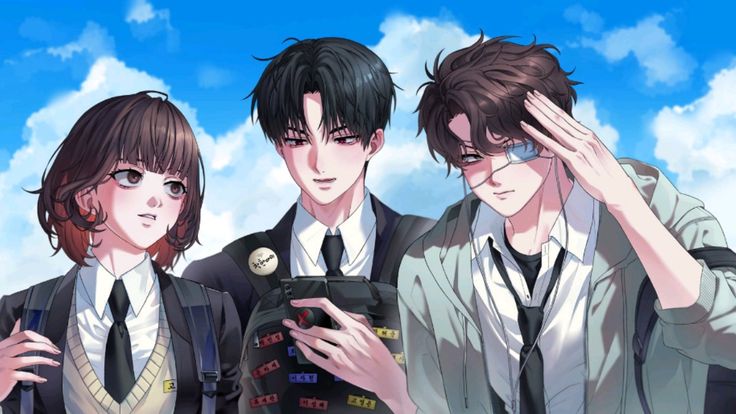
When exploring What Is Josei, it is important to understand its audience. Josei manga is primarily made for adult women, usually readers in their late teens and older who are looking for stories that reflect real-life emotions and experiences. Instead of idealized romance or exaggerated drama, josei focuses on characters navigating adulthood with all its complexity, uncertainty, and emotional depth.
Josei manga typically appeals to readers who:
- Prefer mature, realistic storytelling over fantasy or escapism
- Are interested in adult relationships, not first-love tropes
- Relate to themes like career, marriage, independence, and self-growth
- Want emotionally honest characters with flaws and difficult choices
Although josei is marketed toward women, its grounded narratives and psychological realism also attract male readers and older audiences who appreciate thoughtful storytelling. This broad appeal is one reason the josei genre feels so real and deeply powerful compared to other manga genres.
What Makes Josei Different From Shoujo and Seinen?
Josei differs from shoujo by focusing on adult life and emotional realism rather than youthful romance and idealized feelings. While shoujo often emphasizes first love, innocence, and emotional highs the kind of emotional framing that leads readers to ask questions like why is noelle obsessed with asta josei presents relationships with long-term consequences, personal conflicts, and imperfect outcomes that reflect real adulthood.
Compared to seinen, which targets adult men and often centers on action, psychological tension, or philosophical themes, josei prioritizes internal emotions, relationship dynamics, and everyday struggles. This difference in perspective further defines What Is Josei, offering stories shaped by lived experience rather than spectacle or escapism.
How Josei Portrays Relationships More Honestly
Relationships Are Built Over Time, Not Instant Love
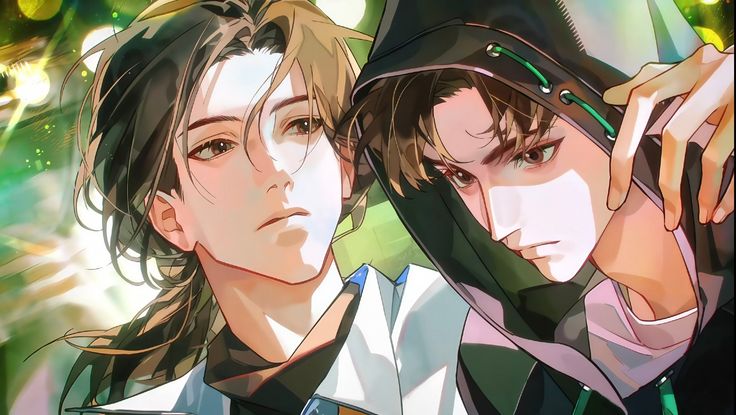
Josei rarely relies on love-at-first-sight or sudden emotional breakthroughs. Instead, relationships develop slowly through shared experiences, misunderstandings, compromises, and growth, mirroring how real adult relationships actually form.
Conflict Comes From Reality, Not Artificial Drama
Rather than exaggerated misunderstandings or external villains, josei focuses on realistic sources of tension such as communication issues, emotional distance, financial pressure, and differing life goals. These conflicts feel familiar and believable to adult readers.
Characters Are Allowed to Be Flawed and Uncertain
Josei characters often make mistakes, hesitate, or choose poorly—without being punished by the narrative. This emotional imperfection makes relationships feel honest, showing that growth comes from struggle, not ideal behavior.
Love Is Shown Alongside Responsibility and Consequences
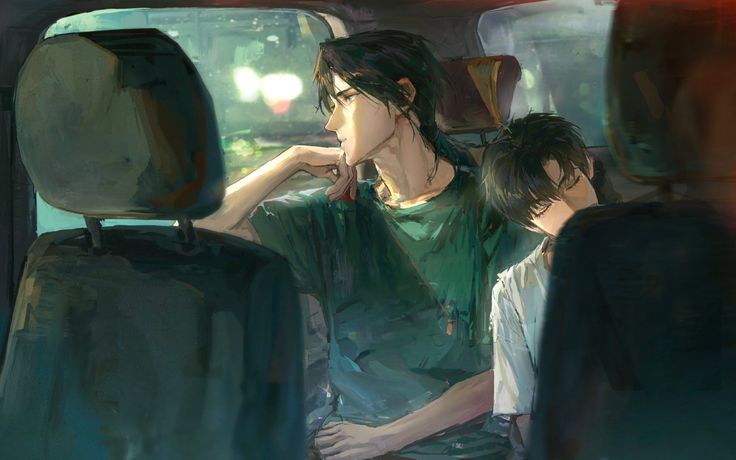
In josei, romance is rarely separated from real-life responsibilities like work, family, or personal identity. Love has consequences, and relationships must coexist with adulthood, which gives josei its deeply realistic and powerful tone.
Why Josei Manga Leaves a Lasting Emotional Impact
- It reflects real adult emotions instead of idealized romance or fantasy
- Characters face long-term consequences, not temporary drama
- Relationships are shaped by time, choice, and personal growth
- Stories focus on internal conflict, making emotions feel authentic
- Endings are often bittersweet or open-ended, lingering with readers
- The narrative respects the reader’s emotional intelligence
FAQs
- Is josei manga only about romance?
No. While romance is common, josei also explores careers, marriage, personal growth, loneliness, and everyday adult struggles.
- How is josei different from shoujo?
Josei focuses on adult emotions and long-term consequences, while shoujo centers on youthful romance and idealized feelings.
- Can men read josei manga?
Yes. Although josei targets women, many male readers enjoy it for its emotional depth and realistic storytelling.
Josei manga stands out as a genre that reflects real adult life through emotionally honest storytelling and mature perspectives. By focusing on realistic relationships, personal growth, and meaningful consequences, josei delivers deeply powerful narratives that resonate with readers seeking authenticity rather than escapism.

Jessica is a content editor at MangaKakalot, specializing in reviewing and refining information across Manga, Manhwa, and Manhua. Her writing prioritizes accuracy, timely updates, and helping readers quickly recognize trending topics within the comic community.