
When readers ask What Is Death Note About?, they are looking for a clear explanation of why this manga is so dark and psychologically intense. On Mangakakalot, Death Note is widely known not just as a story about a deadly notebook, but as a manga that explores how justice can become a weapon when absolute power falls into human hands.
What Is Death Note About?
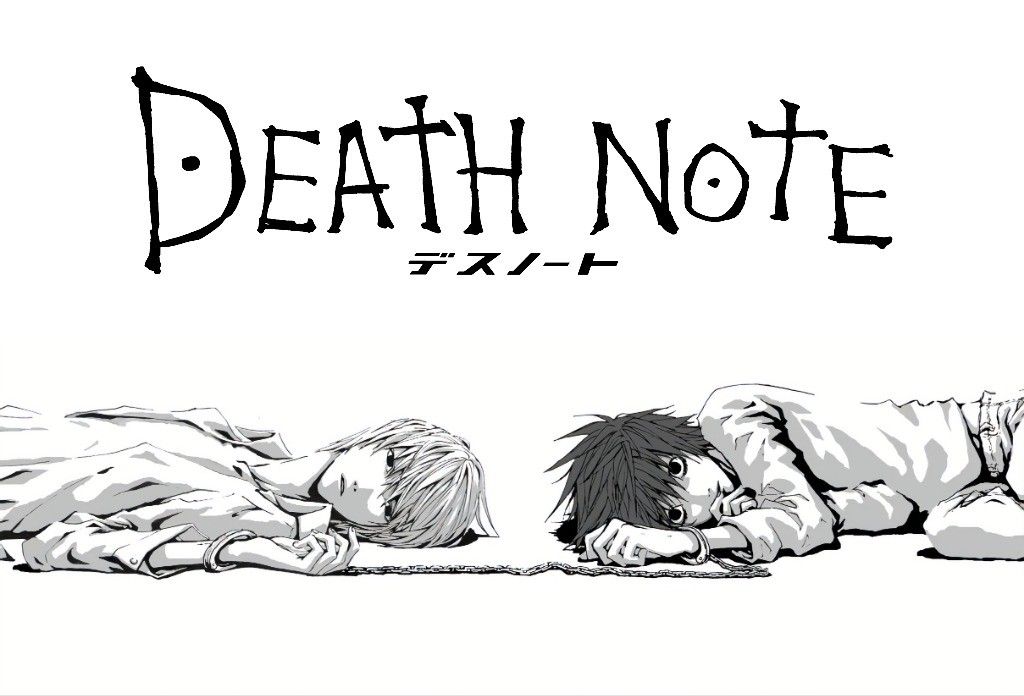
Death Note follows Light Yagami, a brilliant but deeply bored high school student living in modern Japan. Light believes the world is rotten—filled with criminals who escape punishment and a society too weak to enforce true justice.
Everything changes when Light discovers a mysterious black notebook called the Death Note. Written inside are rules that defy reality itself. The most important one is terrifyingly simple:
If you write a person’s name in the Death Note while picturing their face, that person will die.
At first, Light tests the notebook cautiously. When criminals whose names he writes begin dying of heart attacks, he realizes the notebook is real. What follows is not a superhero origin story—but the birth of an executioner.
Light decides to use the Death Note to purge the world of criminals and reshape society into what he believes is a perfect, crime-free utopia. As the death toll rises, the public gives this unseen killer a name: Kira. To some, Kira is a savior. To others, he is a mass murderer.
The manga’s central tension is not about whether Light can kill—but whether he can justify it.
What Is the Death Note and How Does It Work in the Manga?
The Death Note itself is not just a plot device—it is the engine that drives every moral question in the story.
The notebook originates from the realm of Shinigami, gods of death who extend their lifespans by killing humans. One such Shinigami, Ryuk, drops his Death Note into the human world purely out of boredom, with no intention of guiding or interfering. This indifference matters, because the notebook offers no moral judgment—only rigid rules—forcing humans to define justice on their own, much like investigators later struggle to uncover what is the real name of L in Death Note while trying to stop Kira.
Key rules of the Death Note include:
- A human whose name is written in the notebook will die.
- The writer must know the person’s face to avoid killing someone with the same name.
- The cause and details of death can be controlled within certain limits.
- The notebook does not judge morality—it only obeys its rules.
This is crucial. The Death Note has no sense of justice, mercy, or balance. It amplifies the will of the person using it. In Light’s hands, the notebook becomes a tool of absolute authority. There are no trials. No appeals. No accountability.
The manga makes one thing clear: the Death Note does not corrupt people—it reveals who they already are.
How the Battle Between Light and L Drives the Story
The Intellectual Nature of the Conflict
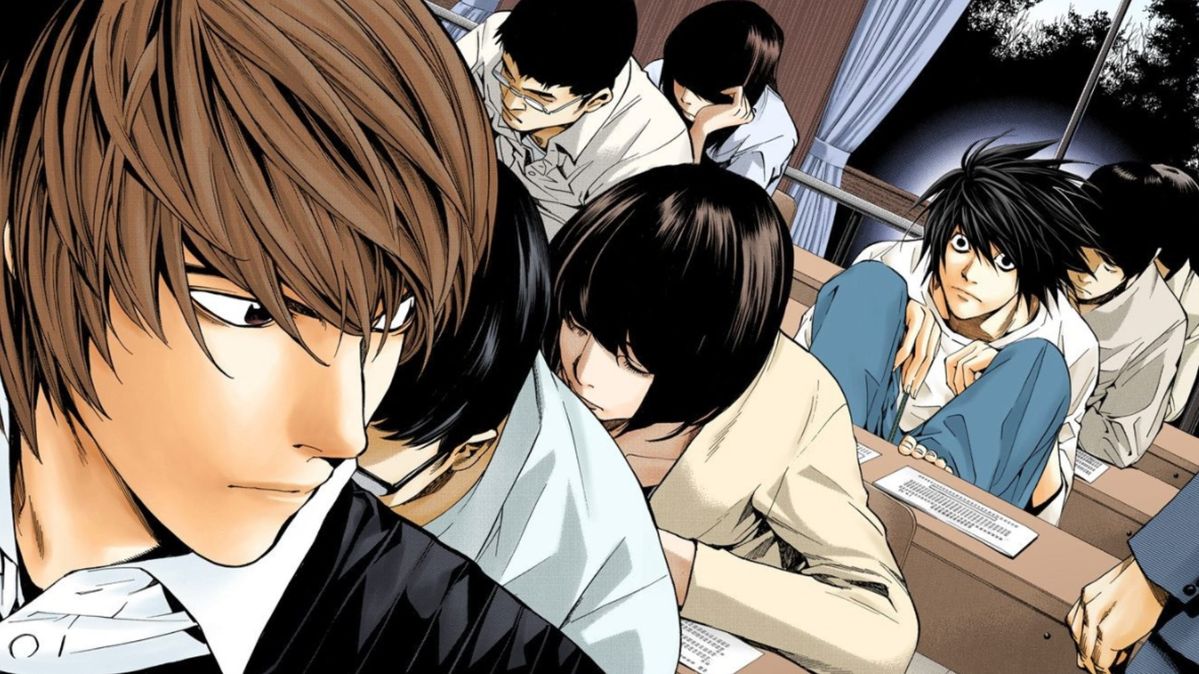
The confrontation between Light Yagami and L is not physical—it is entirely intellectual. From the beginning, Death Note establishes that intelligence, reasoning, and psychological manipulation are the true sources of power. This cerebral rivalry is what sets the manga apart from traditional action-driven stories.
Information as the Most Dangerous Weapon
In Death Note, information is more lethal than the notebook itself. Light’s survival depends on concealing his identity as Kira, while L’s investigation focuses on narrowing down suspects through logic and probability. Names, faces, timing, and knowledge of Death Note rules all become strategic tools that can decide life or death.
Mind Games and Psychological Pressure
Rather than direct confrontation, both characters rely on layered mind games—testing reactions, setting traps, and forcing the other into difficult decisions. Each encounter increases psychological pressure, turning ordinary conversations into high-stakes battles where a single mistake could be fatal.
The Illusion of Trust Between Two Enemies
One of the manga’s most compelling dynamics is the forced cooperation between Light and L. Despite suspecting each other, they operate side by side, creating a fragile illusion of trust. This uneasy partnership blurs the line between ally and enemy, amplifying tension and suspense throughout the story.
How Justice Becomes a Weapon in Death Note
The most important theme in Death Note is not death—it is justice.
Light genuinely believes he is doing the right thing. By killing criminals, he thinks he is saving innocent lives and creating a better world. Over time, however, his definition of justice begins to shift.
At first:
- Only convicted criminals are targeted.
- Light frames his actions as necessary punishment.
Later:
- Anyone who opposes Kira becomes “evil.”
- Investigators, journalists, and even innocent people are labeled obstacles.
Justice stops being about protecting others and becomes a justification for eliminating threats. This is where Death Note becomes truly dark. The manga shows how moral language can be weaponized to excuse tyranny.
Light does not descend into madness overnight. His transformation is gradual, logical, and frighteningly convincing. Readers are forced to confront an uncomfortable truth: when power is absolute, even noble intentions can turn monstrous.
Why Death Note Is a Psychological Manga, Not a Typical Shonen
Unlike most shōnen manga that emphasize action, power growth, and physical battles, Death Note focuses almost entirely on the mind. The tension comes from strategy, deduction, and inner monologue rather than combat, turning each chapter into a mental showdown instead of a fight scene.
Rather than presenting a clear hero’s journey, Death Note centers on moral ambiguity and psychological pressure. Characters win by outthinking and manipulating others, not by becoming stronger. This emphasis on intellect and ethics is what separates Death Note from typical shōnen manga and defines it as a psychological thriller in manga form.
Why Death Note Still Feels Relevant Today

Years after its release, Death Note remains disturbingly relevant. In a world where public punishment, moral outrage, and online judgment are more visible than ever, the idea of instant, unchallengeable justice feels uncomfortably familiar.
The manga does not tell readers what to think. Instead, it asks them to decide:
- Is a world without crime worth the cost of mass execution?
- Who gets to decide what justice means?
- Can morality survive when one person holds godlike power?
Death Note offers no easy answers. That is why it endures.
FAQs
- Is Death Note about justice or evil?
It’s about how justice can become dangerous when one person has absolute power. The manga deliberately blurs the line between justice and cruelty.
- Do you need to like shōnen manga to enjoy Death Note?
No. Death Note relies on psychology, strategy, and moral conflict rather than action, making it appealing even to readers who don’t usually read shōnen.
- Is Death Note more about action or thinking?
Thinking. Most of the tension comes from mind games, deduction, and psychological pressure—not physical battles.
So, what is Death Note about? At its core, Death Note is a psychological manga about how justice can become a weapon when one person gains the power to decide who lives and who dies. Through Light Yagami’s transformation, the story exposes the dangers of absolute authority and unchecked moral certainty.
Rather than offering clear answers, Death Note challenges readers to question their own beliefs about justice, punishment, and authority. That psychological depth—combined with its intense mind games—is why Death Note remains one of the most thought-provoking manga ever created.

Jessica is a content editor at MangaKakalot, specializing in reviewing and refining information across Manga, Manhwa, and Manhua. Her writing prioritizes accuracy, timely updates, and helping readers quickly recognize trending topics within the comic community.