
When readers search “How old is Naruto in Boruto?”, they’re usually looking for a clear answer and a quick explanation of why Naruto feels so different in the sequel. At the start of Boruto, Naruto is 32 years old, a fully grown adult serving as Hokage, a husband, and a father—far removed from the reckless teenager many fans remember.
This article breaks down Naruto’s exact age, how it affects his strength, mindset, and role in the story, and why his evolution matters to Boruto’s generational theme. Whether you’re revisiting the series or reading along on platforms like Mangakakalot, this guide gives you the full context in a simple, easy-to-understand way.
How Old Is Naruto in Boruto?
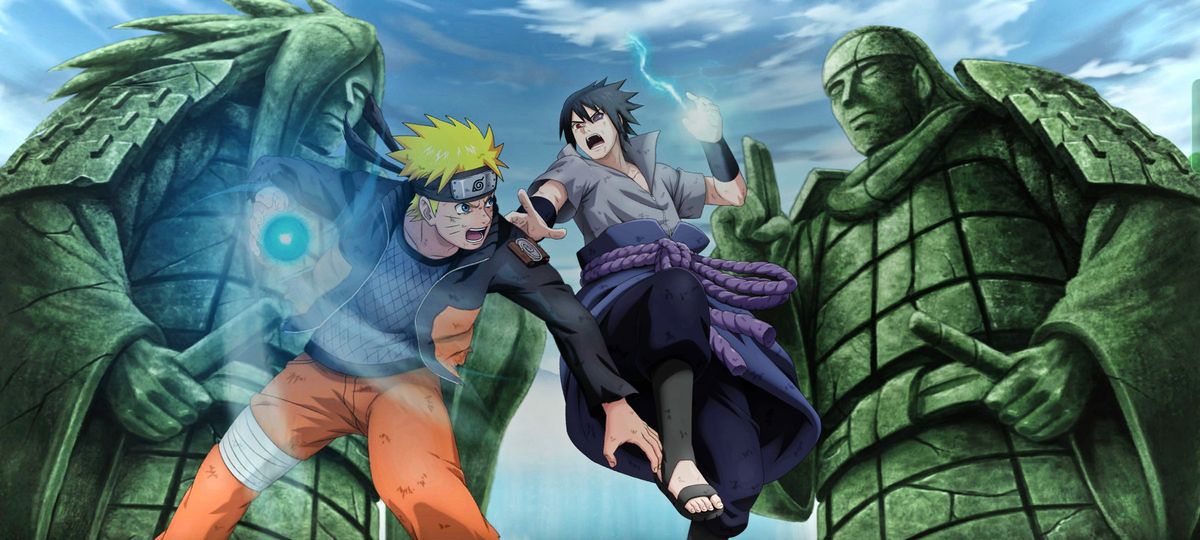
Naruto is 32 years old at the beginning of Boruto. More specifically, Naruto Uzumaki is 32 when Boruto: Naruto Next Generations starts. This age places him firmly in adulthood—far removed from the reckless, loud teenager who once dreamed of becoming Hokage.
Naruto’s age is calculated based on established canon timelines:
- Naruto was 17 years old at the end of Naruto Shippuden
- A 15-year time gap passes before Boruto begins
This age lines up perfectly with Naruto’s current life stage: married, a father of two, and serving as the Seventh Hokage of the Hidden Leaf Village.
Importantly, Boruto does not treat Naruto as a young hero anymore. Instead, his age symbolizes experience, responsibility, and legacy.
Naruto’s Age Across Different Stages of Boruto
Naruto’s age doesn’t stay static throughout Boruto—it progresses alongside the story. Understanding these stages helps explain his shifting role and presence, especially when fans compare his adult responsibilities to other long-running shonen protagonists and ask similar questions like how old is Luffy at different points in his journey.
Early Boruto
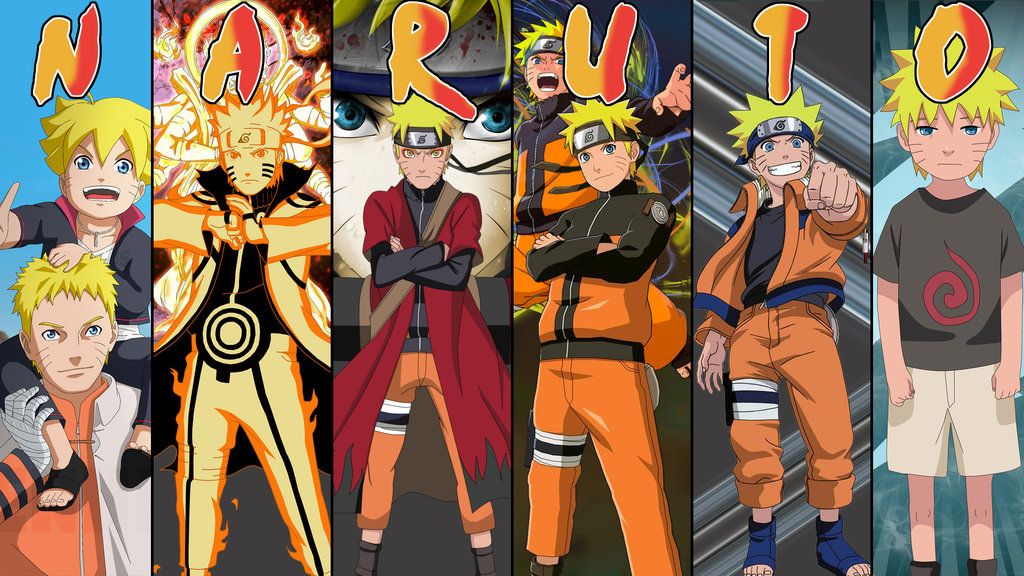
At the start of the series, Naruto is 32 and deeply consumed by his Hokage duties. He is physically capable, mentally sharp, but emotionally stretched thin. This version of Naruto is powerful, but exhausted—constantly balancing village security with family life.
Mid-Series Boruto
As Boruto advances, Naruto moves into his early-to-mid thirties. This is where we see the consequences of long-term responsibility. Naruto becomes more cautious, more strategic, and less impulsive in battle. His decisions reflect long-term thinking rather than raw emotion.
Post-Timeskip Implications
While Naruto is not always physically present later in the story, his age by this point places him as a true elder figure in the shinobi world. His influence matters more than his screen time.
Across all these stages, Naruto’s age reinforces the theme that Boruto is not about repeating Naruto’s journey—it’s about moving beyond it
How Does Naruto’s Age Affect His Strength?
A common misconception is that Naruto is weaker in Boruto because he is older. In reality, Naruto’s age does not make him weaker—it makes him different.
Strength vs. Fighting Style
Naruto in Boruto still possesses immense chakra reserves, combat experience, and mastery over powerful techniques. What changes is how he fights:
- Less reckless charging
- More controlled, efficient movements
- Greater reliance on strategy and timing
Age brings restraint, not weakness.
Mental Strength Grows With Age
Naruto’s greatest improvement isn’t physical—it’s mental. His decision-making, emotional control, and leadership skills are far superior to his teenage years. He understands consequences now, not just victories.
Sacrifice Over Glory
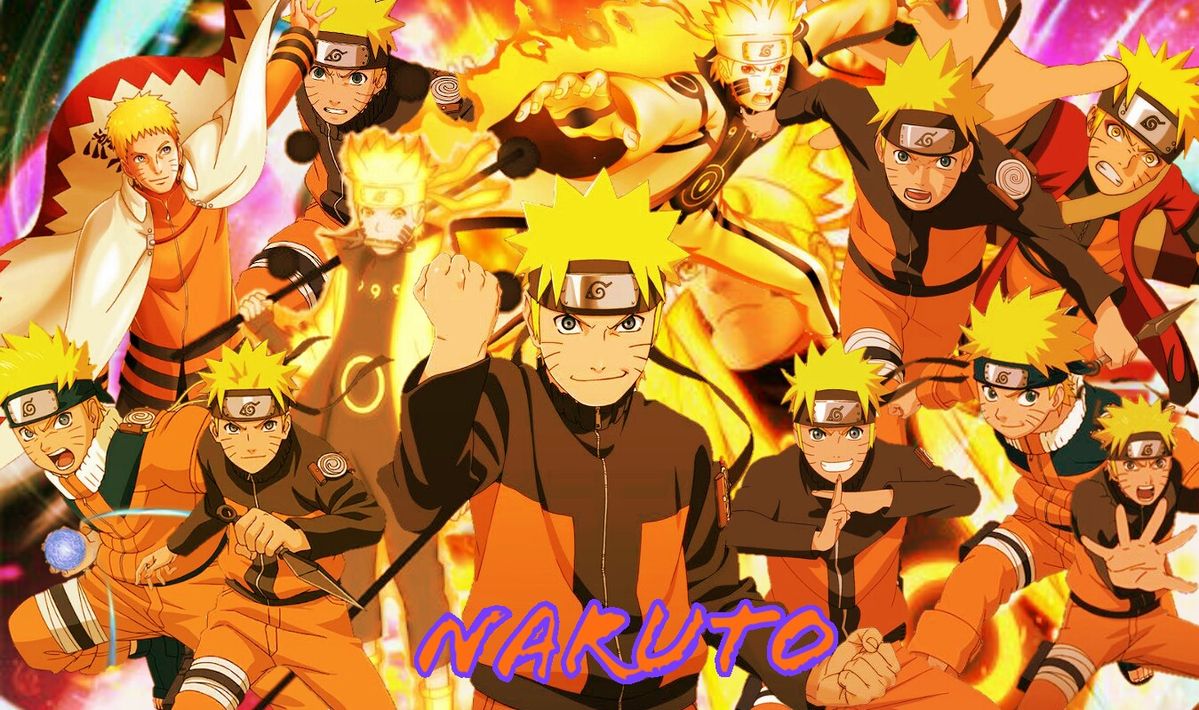
In Boruto, Naruto no longer fights to prove himself. He fights to protect others. His age shifts his priorities from personal growth to collective survival, which dramatically changes how his strength is portrayed.
Naruto’s Role as a Father in Boruto
- Naruto becomes a father in his early 30s, balancing family life with the heavy responsibilities of being Hokage
- His role as Hokage often limits the time he can spend with his children, especially Boruto
- Naruto expresses love through protection and duty rather than constant presence
- Growing up without parents makes Naruto unsure how to show affection as a father
- Boruto initially feels neglected, leading to emotional distance between them
- Naruto’s age and maturity push him to prioritize the village over personal comfort
Why Do Fans Keep Asking “How Old Is Naruto in Boruto?”
Fans keep asking this question because Naruto feels very different in Boruto compared to the original series. He looks older, acts calmer, and no longer rushes into fights the way he did as a teenager. These visible changes naturally make viewers curious about how much time has passed and what stage of life Naruto is in now.
Another reason is Naruto’s shift in role. He is no longer the main character driving the story forward—he’s the Hokage and a father. For long-time fans, this transition can feel jarring, and asking about his age helps explain why Naruto behaves more like a leader and protector than a growing hero.
Finally, the question comes from comparison and nostalgia. Fans often compare Boruto’s age to Naruto’s age at the start of his own journey. Realizing that Naruto is now a full adult highlights the generational shift at the heart of Boruto, making his age a key detail for understanding how the story has evolved.
FAQs
- Does Naruto get weaker in Boruto because of his age?
No. Naruto does not become weaker due to age. His fighting style changes, becoming more controlled and strategic.
- Why does Naruto act more serious in Boruto?
Because he is an adult Hokage and a father. His age brings responsibility, pressure, and less reckless behavior.
- Is Naruto still in his prime during Boruto?
Naruto is still extremely powerful, but his role shifts from frontline hero to protector and leader of the next generation.
Naruto is 32 years old in Boruto, and his age explains why he feels so different from the past. He is no longer a reckless young hero, but a mature Hokage and a father shaped by responsibility and experience.
His age does not weaken him—it changes his priorities. Naruto fights with control, protects others over himself, and represents the passing of the torch to the next generation, which is the core theme of Boruto.

Jessica is a content editor at MangaKakalot, specializing in reviewing and refining information across Manga, Manhwa, and Manhua. Her writing prioritizes accuracy, timely updates, and helping readers quickly recognize trending topics within the comic community.