
When readers search “Goodnight Punpun characters,” they want to understand who the characters are and what they represent psychologically. In Goodnight Punpun, figures such as Punpun Onodera, Aiko Tanaka, Yuuichi Onodera, Midori Ookuma, Sachi Nanjou, Kou Shimizu, Seki-kun, and God (Afro God) are used to explore trauma, distorted love, and emotional neglect rather than traditional growth. Together, these characters form a psychological portrait of adulthood that continues to resonate with manga readers on Mangakakalot.
Understanding the Characters of Goodnight Punpun
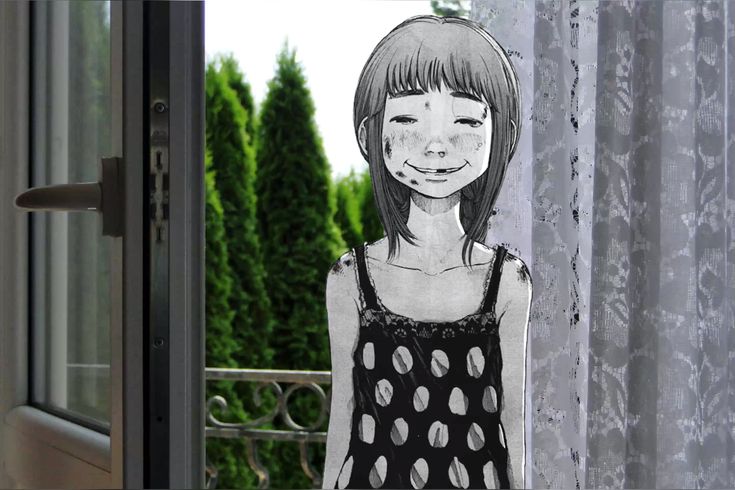
The characters in Goodnight Punpun are not written to advance plot twists or dramatic victories. Instead, they exist to illustrate emotional states:
- Childhood innocence and confusion
- Trauma passed down through family
- Love as obsession rather than healing
- Adulthood as disillusionment rather than resolution
This is why many characters feel painfully real. They do not “develop” in a traditional narrative sense; they deteriorate, repeat mistakes, or survive in incomplete ways. Understanding their psychological roles is key to understanding the manga itself.
Goodnight Punpun Characters and Their Psychological Roles
Punpun Onodera: The Protagonist and His Distorted View of the World
Punpun is the emotional lens through which the entire story is told. His bird-like appearance reflects emotional detachment and an inability to express himself clearly, reinforcing the manga’s focus on internal struggle rather than external action. This unique perspective is central to understanding what is goodnight punpun about at its core—a psychological coming-of-age shaped by trauma and emotional neglect.
- Drawn as a bird to represent dissociation and emotional numbness
- His changing form mirrors guilt, depression, and psychological collapse
- Neither hero nor villain, Punpun represents passive self-destruction
Aiko Tanaka: A Mirror of Punpun’s Trauma
Aiko is not a savior or a traditional love interest. She embodies unresolved trauma shaped by abuse and distorted beliefs.
- Raised in an environment of violence and control
- Confuses love with escape and salvation
- Her relationship with Punpun amplifies, rather than heals, their damage
Yuuichi Onodera: A Failed Adult and the Cycle of Repeated Mistakes
Yuuichi shows what happens when trauma is intellectualized instead of confronted.
- Represents a possible future version of Punpun
- Avoids responsibility through philosophy and charm
- Repeats emotional harm while believing he is self-aware
God (Afro God): Inner Voice or Social Pressure?
God is not a literal deity, but a manifestation of internalized authority and expectation.
- Symbolizes moral pressure, fear, and forced belief
- Offers certainty instead of understanding
- Guides Punpun forward while preventing emotional growth
Midori Ookuma and Punpun’s Family: The Origin of Trauma
Punpun’s emotional instability begins at home, shaped by neglect and violence.
- A mother struggling with depression and emotional absence
- An abusive father who normalizes fear
- A family environment that teaches Punpun to suppress his needs
Sachi Nanjou: A Rare Symbol of Escape
Sachi represents a grounded alternative to destructive love.
- Emotionally more mature than Punpun
- Rejects romanticized suffering
- Offers survival and stability, not salvation
Kou Shimizu & Seki-kun: Childhood, Faith, and Emotional Disconnection
Punpun’s childhood friends reflect different coping mechanisms for pain.
- Kou turns to religion to impose meaning on chaos
- Seki-kun withdraws into silence and emotional distance
- Their friendship highlights how shared trauma does not guarantee healing
Other Supporting Characters and Their Role in the Journey to Adulthood
Beyond the core cast, Goodnight Punpun features many secondary characters who briefly intersect with Punpun’s life. Each encounter reinforces the same theme: adulthood does not provide answers—only consequences.
These characters are not distractions. They are reminders that suffering is not unique, but understanding remains rare.
What Do Goodnight Punpun Characters Represent?
At its core, Goodnight Punpun uses characters to explore psychological truths:
- Trauma does not disappear with age
- Love cannot replace emotional stability
- Inaction is a form of harm
- Survival does not always feel like success
Each character represents a different way of responding to pain—none of them ideal, none of them completely hopeless.
Why Characters Matter in Goodnight Punpun
The characters in Goodnight Punpun are not designed to move the story forward through dramatic events. Instead, they function as emotional reference points, showing how different people respond to trauma, neglect, and unmet emotional needs over time.
Each major character represents a distinct psychological reaction—avoidance, obsession, misplaced belief, emotional withdrawal, or quiet endurance. Through these responses, the manga explores how identity is shaped not by growth alone, but by what remains unresolved.
Together, the cast forms a psychological framework rather than a traditional character arc. Understanding why these characters exist is essential to understanding the manga’s deeper message about adulthood, disillusionment, and survival.
FAQs About Goodnight Punpun Characters
- Why is Punpun drawn as a bird instead of a human?
Punpun’s bird form symbolizes dissociation and emotional numbness. His appearance changes as his mental state deteriorates, reflecting psychological collapse rather than physical reality.
- Is Aiko Tanaka a romantic love interest?
No. Aiko represents shared trauma rather than healing love. Her relationship with Punpun is built on emotional damage, not mutual growth.
- What does God (Afro God) represent in Goodnight Punpun?
God is not a real deity. He represents internalized pressure, fear, and forced belief—an inner voice shaped by authority and social expectations.
- What do the characters in Goodnight Punpun symbolize overall?
They symbolize different responses to trauma, including avoidance, obsession, faith, emotional withdrawal, and survival without true healing.
The characters in Goodnight Punpun represent different psychological responses to trauma, love, and emotional neglect. Rather than showing growth or redemption, they illustrate how people endure, repeat mistakes, or survive imperfectly. Understanding Goodnight Punpun characters is essential to understanding the manga’s honest portrayal of disillusionment and adulthood.

Jessica is a content editor at MangaKakalot, specializing in reviewing and refining information across Manga, Manhwa, and Manhua. Her writing prioritizes accuracy, timely updates, and helping readers quickly recognize trending topics within the comic community.