
Many readers often ask what is a harem and why this storytelling format remains so popular in anime and manga. A harem story centers on one main protagonist surrounded by multiple romantic interests, creating ongoing emotional tension and diverse relationship dynamics. By blending romance with comedy, drama, or fantasy, harem stories continue to attract fans—especially those discovering new series through platforms like Mangakakalot.
What Is a Harem Story?
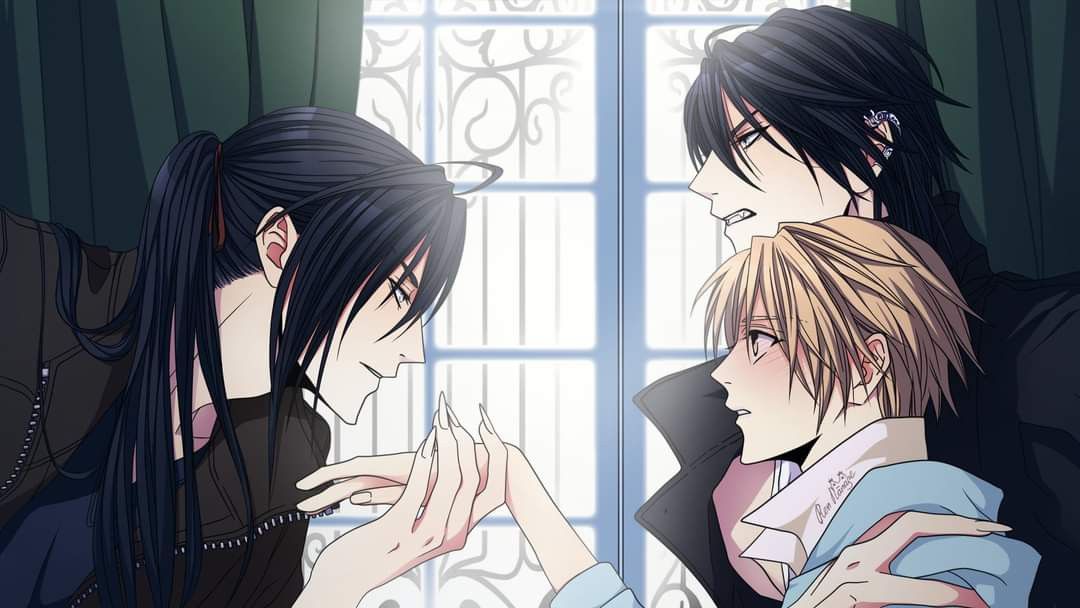
To understand what is a harem, it helps to look at how the concept appears in Japanese anime, manga, and games. A harem story is a narrative format where one central protagonist—most commonly male, but sometimes female or non-male—is surrounded by multiple potential romantic interests, usually three or more. These characters develop emotional or romantic connections with the protagonist at the same time, making relationship dynamics the core focus of the story.
Rather than following a single love line, a harem story explores parallel romantic possibilities, often blending romance with comedy, light drama, and fan-service elements. The appeal comes from watching how different personalities interact with the protagonist, creating tension, humor, and emotional attachment as each character vies for attention. Over time, harem stories have evolved beyond simple romantic fantasies, becoming a flexible storytelling trope used acr
Key Characteristics of a Harem Story
- Single central protagonist
The story revolves around one main character who becomes the emotional and narrative focus of multiple romantic interests.
- Multiple love interests
A defining trait is the presence of three or more characters who are romantically or emotionally attracted to the protagonist.
- Distinct character archetypes
Each love interest usually represents a different personality type, creating contrast, variety, and ongoing romantic tension.
- Parallel romantic development
Instead of one clear relationship, multiple potential romances progress at the same time.
- Relationship-driven conflict
Most conflicts come from jealousy, misunderstandings, competition, or emotional dilemmas rather than external threats.
- Light tone with fan-service elements
Many harem stories use comedy, awkward situations, or fan-service to maintain entertainment and appeal.
- Open-ended or delayed resolution
The final romantic choice is often postponed, keeping audiences engaged and invested in the outcome.
How a Harem Story Works in Anime and Manga
In practice, what is a harem becomes clear through structure and pacing. A harem story in anime and manga centers on one protagonist who gradually becomes surrounded by multiple romantic interests introduced through shared settings like school, work, or fantasy worlds, sometimes overlapping with light fan-service elements often associated with what is ecchi. Each character forms a separate connection with the protagonist, allowing multiple romantic paths to exist simultaneously.
The story moves forward by focusing on individual character moments, misunderstandings, and emotional growth while delaying a final romantic choice. This structure keeps tension high and engagement strong, often blending romance with genres like comedy, fantasy, or action.
Why Do Fans Love Harem Stories?
Relatable Fantasy and Wish Fulfillment
Harem stories create a form of escapism where the protagonist is admired by multiple characters, fulfilling emotional desires for recognition, belonging, and romantic possibility. This fantasy element allows viewers to imagine themselves in the protagonist’s position without heavy emotional commitment.
Emotional Variety and Strong Character Attachment
Each love interest usually represents a different personality, background, or emotional appeal, giving fans multiple characters to relate to or root for. This variety encourages stronger attachment and fuels discussions about favorite characters.
Sustained Romantic Tension and Uncertainty
By delaying a clear romantic outcome, harem stories maintain ongoing tension. Rivalries, misunderstandings, and shifting dynamics keep audiences invested in how relationships evolve over time.
Lighthearted Entertainment and Fan-Service Appeal
Comedy, playful conflicts, and occasional fan-service moments make harem stories easy to enjoy. The balance between romance and humor helps the genre remain accessible and popular with a wide audience.
Harem Story vs Reverse Harem: What’s the Difference?
A harem story usually features a male protagonist surrounded by multiple female romantic interests, with the narrative focusing on how these characters compete for his attention. This format is common in male-targeted anime and manga and often includes comedy or fan-service elements.
In contrast, a reverse harem centers on a female protagonist who attracts multiple male love interests. While the structure is similar, reverse harem stories typically emphasize emotional development, character relationships, and romantic tension rather than fan service.
Harem Stories Are Best Suited for Which Type of Readers?
- Fans of romance-focused storytelling with multiple emotional dynamics
- Readers who enjoy character variety and choosing favorite love interests
- Audiences seeking light entertainment mixed with comedy or fantasy
- Viewers who like ongoing tension without immediate romantic resolution
- Casual binge readers looking for easy-to-follow, episodic stories
FAQs About Harem Stories
- Is a harem story always romantic?
No. While romance is central, harem stories often blend comedy, fantasy, action, or slice-of-life elements.
- Are harem stories only for male audiences?
Not necessarily. Reverse harem stories are designed mainly for female readers, and many modern harem works target broader audiences.
- Does a harem story always have a final romantic choice?
Some do, but many delay or leave the ending open to maintain tension and fan engagement.
Ultimately, what is a harem comes down to character-driven romance built on emotional variety and sustained tension rather than a single fixed love story. By combining multiple romantic possibilities with humor, fantasy, or drama, this storytelling format keeps audiences engaged over long runs.
Whether readers enjoy light escapism, diverse character dynamics, or open-ended romantic outcomes, harem stories continue to appeal across anime and manga thanks to their flexibility and broad audience appeal.

Jessica is a content editor at MangaKakalot, specializing in reviewing and refining information across Manga, Manhwa, and Manhua. Her writing prioritizes accuracy, timely updates, and helping readers quickly recognize trending topics within the comic community.