
Inside the harsh, prison-like environment of Blue Lock, many fans wonder how basic needs are handled—especially how did they get food in Blue Lock. Despite its brutal rules, the facility does not rely on starvation. Instead, meals are distributed through a performance-based system where better results unlock higher-quality food, subtly reinforcing competition, hierarchy, and ego rather than physical survival.
This hidden detail is often overlooked by readers following the series on Mangakakalot, yet it reveals how Blue Lock applies psychological pressure far more effectively than hunger.
What Is the Blue Lock Manga About?
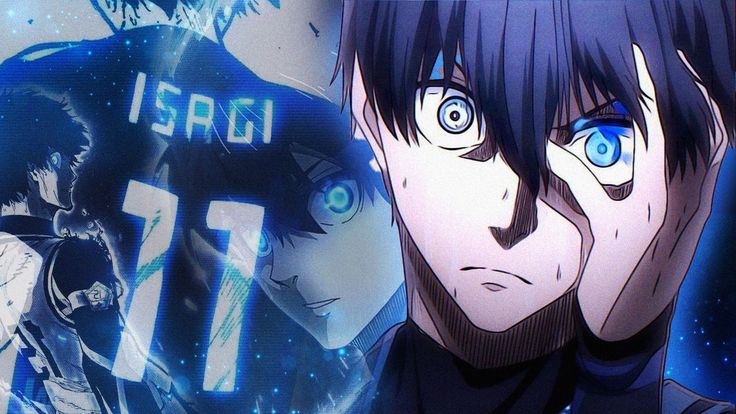
Blue Lock is a competitive sports manga centered on Japan’s desperate attempt to create the world’s ultimate striker after repeated World Cup failures. The story gathers 300 of the country’s best young forwards and locks them inside a harsh, prison-like training facility.
Inside Blue Lock, players face intense, battle-royale-style challenges designed to eliminate the weak and reward ruthless self-interest. Traditional teamwork is intentionally discarded, forcing each striker to develop an overwhelming ego. In the end, only one player will survive the program and earn the right to lead Japan to football glory, making even basic logistics such as how did they get food in Blue Lock feel secondary to competition.
How Did They Get Food in Blue Lock?
In Blue Lock, food is distributed through a performance-based system where each player’s results directly determine the quality and variety of their meals. Rather than simple daily rations, nutrition is built into the competitive structure, reinforcing the idea that survival and comfort must be earned through individual performance—much like the relentless ambition seen in debates such as does asta become the wizard king, where success is defined by individual drive rather than support.
- Starting meals: basic food such as rice, miso soup, natto, or pickled radish
- High-score rewards: upgraded options like ramen, sushi, and occasional special items
- Player interaction: some participants trade or share extra food based on rankings or alliances
As players improve their scores, food shifts from basic sustenance into a strategic resource. Meals become part of the psychological battlefield, reinforcing how did they get food in Blue Lock as a system tied to hierarchy, ego, and performance rather than cooperation or equality.
Why Food Is Almost Never Shown in Blue Lock
- Narrative focus: the story prioritizes ego, rivalry, and psychological pressure over daily routines
- Implied normalcy: food is treated as a basic necessity, assumed to exist without explanation
- Pacing control: showing meals would slow down high-intensity matches and eliminations
- Mental over physical stakes: tension comes from fear of failure, not physical starvation
- Atmospheric design: the sterile, prison-like setting emphasizes isolation rather than comfort
The Dark Hidden Rule Behind Food in the Blue Lock Facility
Food Is a Baseline, Not a Reward
Food in Blue Lock is deliberately positioned as a minimum requirement rather than a privilege. Players are given enough to survive and train, clarifying how did they get food in Blue Lock without turning meals into the main incentive—ego and performance take that role.
Psychological Pressure Replaces Physical Starvation
Instead of using hunger as punishment, Blue Lock applies relentless mental stress. Rankings, elimination threats, and constant comparison create pressure far more effective than physical deprivation, pushing players to obsess over results rather than basic needs.
Comfort Is Earned Through Performance, Not Cooperation
Higher-quality meals are unlocked through individual achievement, reinforcing the core philosophy of the program. Comfort comes from outperforming others, not teamwork or sharing, subtly turning everyday necessities into symbols of hierarchy.
Food Reinforces Ego Without Becoming the Main Weapon

By keeping food in the background, Blue Lock avoids survival-game clichés. The real weapon is fear—fear of being replaced, forgotten, or eliminated. Food exists only to support this system, strengthening ego without ever becoming the focal point.
How Food and Nutrition Support Blue Lock’s Extreme Training
Despite its brutal environment, Blue Lock cannot afford to physically weaken its players. High-intensity drills, constant matches, and explosive movement require consistent energy intake, making proper nutrition a functional necessity rather than a luxury.
By ensuring players receive adequate meals, the facility maintains peak physical output while shifting the real strain to the mental level. This balance allows Blue Lock to push ego, competition, and psychological endurance to extremes without compromising the athletes’ ability to perform at elite levels.
Why Many Fans Think Food Is Limited in Blue Lock
- Meals are rarely shown: food scenes are skipped, creating the illusion of scarcity
- Survival-game atmosphere: the facility feels prison-like, leading fans to assume deprivation
- Brutal rules and eliminations: harsh competition makes hunger seem like a natural punishment
- Focus on ego over comfort: the story highlights psychological stress, not daily routines
- Minimal environmental details: logistics like food delivery are intentionally left off-screen
FAQs
- Do Blue Lock players get enough food?
Yes. Players receive sufficient food to sustain intense training and matches, even though meals are rarely shown on screen.
- Is food used as punishment in Blue Lock?
No. There is no canon evidence that food is withheld as a form of punishment or elimination.
- Do higher-ranked players eat better food?
Yes. Better performance unlocks higher-quality meal options, linking nutrition to individual results.
- Do players ever starve in Blue Lock?
No. The pressure in Blue Lock is psychological, not based on physical starvation.
Food in Blue Lock is never about survival in the physical sense. The facility provides enough nutrition to sustain extreme training, but deliberately removes comfort and visibility to shift all pressure onto performance, ranking, and ego.
By turning meals into a quiet, performance-based system rather than a focal point, Blue Lock reinforces its core philosophy: fear, competition, and self-interest are the real weapons. Food supports the experiment—but the mind is where players are truly tested.

Jessica is a content editor at MangaKakalot, specializing in reviewing and refining information across Manga, Manhwa, and Manhua. Her writing prioritizes accuracy, timely updates, and helping readers quickly recognize trending topics within the comic community.